
During the early months of independent driving, especially under the graduated driver licensing system, many teenagers are still developing judgment, motor perception, and an accurate perception of crash risk. According to traffic safety facts from the National Highway Traffic Safety Administration (NHTSA), motor vehicle crashes remain one of the leading causes of injury for teen drivers.
One risky driving behavior that often goes unnoticed is tailgating, which has been shown to dramatically increase crash risk, especially for inexperienced drivers. Tailgating contributes to rear-end collisions, road rage incidents, and chain-reaction crashes in heavy traffic, on highways, and during inclement weather or foggy conditions.
Teen drivers are particularly vulnerable because tailgating often overlaps with other risky driving behaviors, such as speeding and cell phone use. Add in passenger pressure, and the margin for error disappears.
This article breaks down what tailgating is, why teenagers are more likely to do it, and how families and driver’s education can reduce traffic accident involvement rates before costly collisions, medical expenses, and insurance consequences occur.
What Is Tailgating?
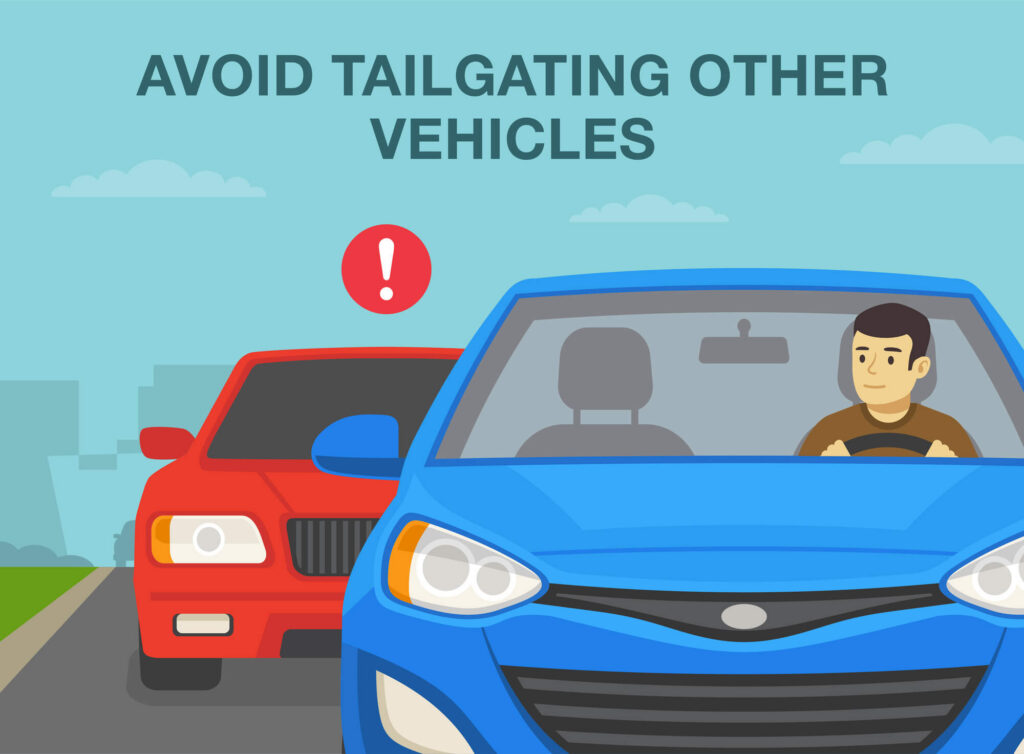
Tailgating is when a driver follows the vehicle ahead too closely, considering the speed, road conditions, and traffic environment. In simple terms, it means there is not enough following distance to safely stop if the lead vehicle brakes suddenly.
Safe following distance is a core principle of traffic safety and highway safety. It allows time for perception, reaction, and braking. When a driver tailgates, that buffer disappears. Even attentive drivers cannot overcome physics; stopping distance increases with speed, vehicle weight, and weather conditions.
Tailgating happens more often than many people realize, and although under graduated driver’s license (GDL) programs, teens are learning to manage complex environments, they often underestimate how quickly a collision can occur, as their motor perception and hazard anticipation skills are still developing.
According to transportation research records and traffic records data, rear-end collisions are among the most frequent types of crashes nationwide, and tailgating is a leading contributor.
Even low-speed tailgating accidents can result in vehicle damage, personal injury, and long-term consequences such as higher auto insurance premiums.
Why Teen Drivers Are More Likely to Tailgate
Teenagers are not reckless by nature, but they are statistically more likely to engage in risky driving behaviors during the early stages of independent driving. Research based on self-reporting, including findings from the PennDot Junior License Survey and data aligned with the US Census Bureau, shows that teen drivers often misjudge speed, distance, and closing time when following another vehicle.
Several key factors increase the likelihood of tailgating among teen drivers:
- Inexperience Judging Speed and Following Distance: New drivers are still learning how to process visual traffic cues using rearview mirrors, blind spot checks, and forward scanning. This developing motor perception makes it harder to accurately judge safe following distance, especially when the vehicle ahead slows suddenly or traffic patterns change.
- Sensation Seeking and Emotional Reactivity: Sensation seeking and inattentive and hyperactive behaviors are more common during adolescence. Teen drivers may feel pressure to keep up with traffic, avoid being “stuck” behind slower vehicles, or react emotionally when another driver brakes unexpectedly. These responses can quickly escalate into speeding, aggressive driving, or road rage behaviors.
- Distractions From Maintaining Safe Distances: Distractions dramatically compound the risk of tailgating. Cell phone use, texting while driving, GPS systems, and interactions with passengers all reduce reaction time and the focus needed to avoid being too close to the vehicle in front. Distracted driving turns routine traffic maneuvers into high-risk situations, especially when tailgating eliminates the space needed to respond safely.
- Underestimating Real-World Consequences: Many teens have not yet connected everyday driving choices with long-term outcomes. Moving violations, traffic records, and parent driving records can lead to higher auto insurance premiums, insurance company penalties, and serious financial consequences. After a collision, families may face medical bills, rehabilitation costs, lost wages, or legal involvement with a law office, outcomes that teens often don’t anticipate in the moment.
During the graduated driver licensing system period, teens are still developing judgment, emotional control, and decision-making skills. Tailgating often reflects inexperience rather than intent, which is why early guidance through driving schools and a structured driver’s education course is so important.
Why Tailgating Increases Risk of Rear-End Collisions
Rear-end collisions are one of the most common types of motor vehicle crashes in the United States, and tailgating is one of the primary causes. According to traffic safety facts from the National Highway Traffic Safety Administration, these collisions frequently occur when a driver follows too closely and cannot stop in time when traffic slows or stops suddenly.
And that’s because safe driving depends on a sequence of events: perceiving a hazard, deciding how to respond, and physically braking. Each step takes time, and when a teen driver tailgates, they compress that timeline to the point where a collision becomes unavoidable. Tailgating removes the most important safety bugger they have: time.
Several factors make rear-end collisions especially likely when teens tailgate:
Reduced Stopping Distance at Higher Speeds
Stopping distance increases rapidly as speed increases. When tailgating is combined with speeding, the vehicle simply cannot slow down fast enough to avoid a collision.
Distraction Delays Reaction Time
Distracted drivers take longer to recognize hazards. Cell phone use, texting while driving, radio manipulation, GPS systems, video cameras, and other electronic devices all reduce reaction time. When a teen driver is tailgating, even a brief distraction can mean the difference between stopping safely and crashing into the vehicle ahead.
Sudden Traffic Changes and Chain-Reaction Crashes
Traffic conditions can change without warning. A driver ahead may brake for congestion, a red light, or debris in the road. When tailgating occurs in heavy traffic, one sudden stop can trigger a chain-reaction collision involving multiple vehicles, passengers, and lanes of traffic.
Rear-end crashes may appear minor at first, but they often result in vehicle damage, personal injury, and long-term consequences. Medical bills, rehabilitation costs, lost wages, and insurance claims can follow, even when injuries are not immediately apparent.
Why Tailgating Is Especially Dangerous on Highways and Around Large Vehicles
Tailgating becomes even more dangerous when it occurs on highways or near large vehicles such as semi-trailers and commercial trucks. These environments demand more space, not less, and teen drivers often underestimate how different these conditions are from neighborhood streets.
Highway Speeds Leave No Margin for Error
Highway driving requires a greater following distance due to higher speeds and denser traffic patterns. At highway speeds, a single second of delay can translate into hundreds of feet traveled before braking begins. When a teen driver tailgates on the highway, there is little opportunity to recover from a sudden slowdown or unexpected traffic maneuver.
Large Trucks and Semi-Trailers Have Unique Risks
Commercial trucks and semi-trailers require significantly longer stopping distances than passenger vehicles. Tailgating a large truck puts a teen driver directly into a danger zone, especially if the truck brakes suddenly or encounters an obstacle.
In addition, trucks have large blind spots that cannot be fully monitored with rearview mirrors alone. A teen driver who tailgates may not be visible to the truck driver at all, increasing the risk of a severe collision.
Weather and Visibility Make Tailgating Even Riskier
Weather conditions such as rain, snow, foggy conditions, or icy roads reduce traction and visibility. These factors lengthen stopping distance and slow reaction time. Tailgating during inclement weather dramatically increases crash risk, even at lower speeds.
Under poor visibility, drivers rely heavily on anticipation and space management. Tailgating removes both, leaving teen drivers with little ability to respond safely when conditions change.
Highway safety experts consistently emphasize that maintaining proper following distance is one of the most effective ways to prevent collisions. For teen drivers still building experience, that space can be the difference between a close call and a serious crash.
The Hidden Costs of Tailgating Accidents
Tailgating accidents are often dismissed as minor or unavoidable, but the real-world consequences can be far more serious than many teen drivers expect. Even low-speed rear-end collisions can lead to injuries, vehicle damage, and long-term financial and emotional strain for families.
Physical Costs of Tailgating
One of the most immediate consequences is physical injury. Drivers and passengers may experience whiplash, back injuries, or head trauma, even when seatbelts are worn properly. Some injuries do not show symptoms right away, leading to delayed medical care and ongoing rehabilitation costs.
Financial Consequences
The financial impact can add up quickly. After a collision, families may face:
- Medical bills and follow-up care
- Rehabilitation costs, such as physical therapy
- Lost wages if a parent must miss work
- Vehicle repair or replacement expenses
Long-Term Insurance Costs
Insurance consequences are also significant. A moving violation or collision tied to tailgating can negatively affect traffic records and lead to higher auto insurance premiums. Insurance companies closely track risky driving behaviors and traffic accident involvement rates, especially for teen drivers. A single incident can increase costs for years.
Legal Costs
In more serious crashes, families may need to consult a law office to navigate liability, insurance disputes, or injury claims.
These outcomes are rarely part of what teenagers picture when they tailgate, but they are very real possibilities when following distance is ignored.
Tailgating, Road Rage, and Aggressive Driving
Tailgating does not just increase the risk of a collision; it can also escalate emotions and contribute to road rage and aggressive driving behaviors.
Teen drivers are particularly vulnerable to this cycle. Inexperience, emotional reactivity, and sensation seeking can make it harder to stay calm when traffic slows or another driver responds unpredictably.
How Tailgating Can Escalate Tension on the Road
Drivers who feel tailgated may brake suddenly, refuse to change lanes, or engage in aggressive maneuvers. These responses increase crash risk for everyone involved, especially when traffic is dense or speeds are high.
For teen drivers, these situations can quickly become overwhelming. Managing blind spots, checking rearview mirrors, monitoring passengers, and staying aware of surrounding traffic requires focus. Adding emotional stress reduces judgment and increases the likelihood of mistakes.
Why Emotional Control Matters for Teen Drivers
Safe driving depends on emotional regulation as much as technical skill. Teens who feel rushed, angry, or pressured are more likely to engage in risky driving behaviors. Tailgating removes the space needed to slow down mentally as well as physically.
Driver’s education courses and GDL programs emphasize patience, space management, and anticipation for a reason. Maintaining a safe following distance gives teen drivers time to process events calmly, avoid confrontation, and make safer decisions, even when other drivers behave unpredictably.
Learning to back off instead of pushing forward is one of the most important skills a teen driver can develop.
- It reduces conflict
- Lowers crash risk
- Supports safer driving habits that extend far beyond the early years of licensure.
How Teen Drivers Can Avoid Tailgating
The good news is that tailgating is a learned behavior, which means it can be unlearned. With the right habits and awareness, teen drivers can significantly reduce their crash risk and improve overall road safety.
Use the 3–4 Second Following Distance Rule
One of the simplest and most effective ways to prevent tailgating is to follow the 3–4 second rule. This means choosing a fixed object that the vehicle ahead passes, such as a sign or pole, and counting the seconds until your vehicle reaches the same point.
- If the count is fewer than three seconds, the following distance is too short.
- In poor weather conditions, heavy traffic, or on highways, even more space is needed.
This extra time allows for safer braking and better decision-making when traffic changes suddenly.
Slow Down Instead of Closing the Gap
When traffic slows or another driver brakes, the safest response is to slow down, not to tailgate. Many teen drivers feel pressure to maintain speed or worry about being passed, but closing the gap increases crash risk rather than reducing travel time.
Backing off creates space, improves visibility, and lowers stress.
Stay Focused and Minimize Distractions
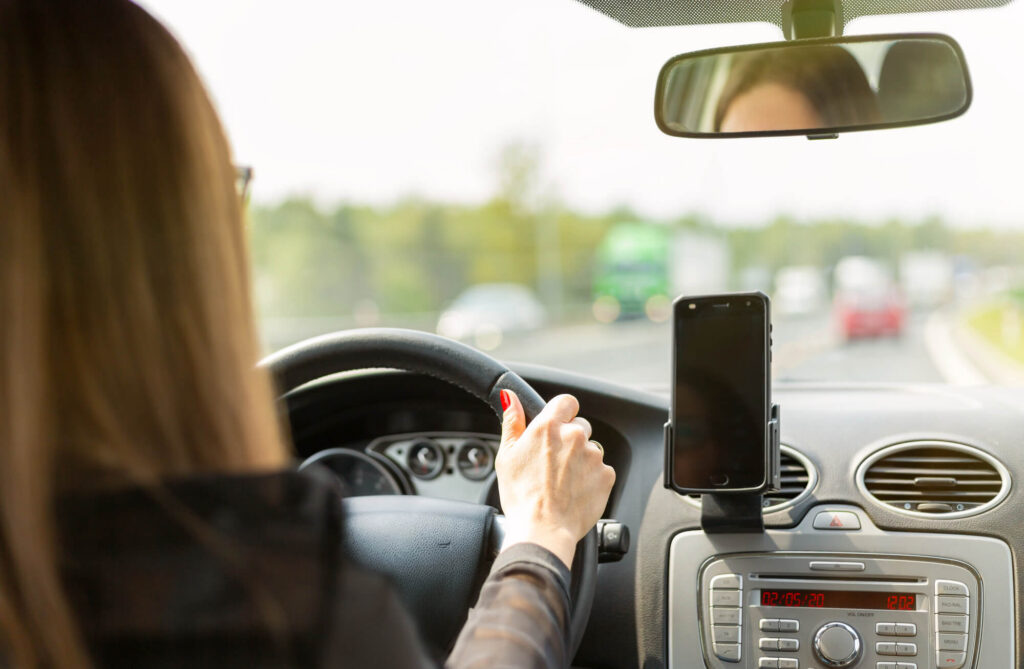
Distraction plays a major role in tailgating-related crashes. From cell phone use to fidgeting with other electronic devices or the GPS system, or even conversations with passengers, these distractions can delay reaction time.
Teen drivers should make it a habit to:
- Put the cell phone out of reach before driving
- Set the GPS systems and music in advance
- Keep both hands on the wheel and eyes on traffic
Distracted driving and tailgating are a dangerous combination. Eliminating distractions restores the reaction time needed to maintain a safe following distance.
Never Drive Under the Influence of Drugs or Alcohol
Drugs and alcohol significantly impair judgment, reaction time, and perception of distance. Even small amounts can make it harder to judge following distance and respond to traffic changes.
For teen drivers, there is no safe level of impairment. Avoiding alcohol and drugs is essential to preventing tailgating, collisions, and serious motor vehicle crashes like a DUI accident.
How Parents Can Help Prevent Tailgating
Parents play a critical role in shaping teen driving habits, especially during the graduated driver licensing system period. Preventing tailgating is about rules, yes, but above all, it’s about consistent guidance, modeling, and communication.
Practice Following Distance Together
During supervised drives, parents can point out safe following distances in real time. Practicing the 3–4 second rule in different environments—city streets, highways, and heavy traffic—helps teens understand how spacing changes with speed and conditions.
Calm, specific feedback is more effective than criticism. Asking questions like “Do you think we have enough space here?” encourages awareness without pressure.
Set Clear Expectations at Home
Clear expectations reduce confusion and risky driving behaviors. Parents can reinforce that tailgating, speeding, and aggressive driving are not acceptable, regardless of what other drivers are doing.
These expectations often work best when paired with a parent-teen driving agreement that outlines rules, consequences, and goals during the graduated driver’s license period.
Model Safe Driving Behaviors
Teens learn as much from observation as instruction. Parents who maintain a safe following distance, avoid road rage, and stay calm in traffic send a powerful message about what responsible driving looks like.
Consistently modeling patience and space management reinforces traffic safety lessons long after formal driver’s education courses end.
How Jungle Driving School Teaches Teens to Manage Following Distance
At Jungle Driving School, tailgating prevention is not treated as a single rule or reminder, but is built into how teens are taught to think, see, and respond behind the wheel. Maintaining proper following distance is a core part of traffic safety, awareness, and decision-making.
Through the Jungle Way methodology, students learn that driving is not just about controlling a vehicle, but about managing space, time, and attention in a constantly changing environment. Teens are trained to anticipate traffic patterns early, recognize closing gaps, and adjust speed smoothly rather than reacting at the last second.
In Jungle Driving School programs, instructors emphasize:
- Seeing hazards before they become emergencies
- Understanding how speed affects stopping distance
- Managing space around the vehicle at all times
- Staying calm and patient in heavy traffic
Instead of encouraging reactive driving, teens are taught to slow down, create buffers, and stay mentally ahead of traffic. This approach helps reduce tailgating, aggressive driving, and the chain-reaction behaviors that often lead to collisions.
Jungle Driving School reinforces these skills through real-world instruction—not just test preparation—helping teens build habits that hold up under pressure, on highways, and in unpredictable conditions.
Why Preventing Tailgating Builds Lifelong Safe Driving Habits
Preventing tailgating is the result of forming habits that reduce crash risk, protect passengers, and support safe decision-making throughout a driver’s life.
Teen drivers who learn to maintain proper following distance are better equipped to:
- Respond calmly to sudden traffic changes
- Avoid rear-end collisions
- Reduce stress and road rage situations
- Drive safely in poor weather and heavy traffic
These habits also carry real-world benefits for families. Fewer collisions mean fewer medical bills, lower rehabilitation costs, reduced insurance claims, and a lower likelihood of long-term increases in auto insurance premiums. Just as importantly, teens gain confidence knowing they can handle challenging situations without panic or pressure.
With the right education, guidance, and practice, teenagers can develop skills that protect them well beyond the graduated driver licensing period.
Find the nearest Jungle Driving School near you and your teen, where the goal is not just to help teens earn a license. It’s helping them become aware, capable drivers who are prepared for the realities of today’s roads, and who know that sometimes the safest move is simply giving themselves more space.