
Road rage is one of the most dangerous and unpredictable threats new drivers face on today’s roads. What may begin as aggressive driving, such as speeding, tailgating, weaving through traffic, or cutting off another vehicle, can quickly escalate into road rage involving gestures, yelling, blocking cars, or even physical violence.
For new drivers, these situations are especially challenging. Inexperience, heightened emotions, and uncertainty about how to react can turn a stressful traffic incident into a serious crash. According to the AAA Foundation for Traffic Safety and its Traffic Safety Culture Index, high-anger drivers and aggressive roadway behavior contribute to thousands of crashes, fatal accidents, and traffic deaths each year.
Road rage is not just about bad manners or poor road etiquette. It is a real traffic safety issue that can lead to collisions, injuries, rising auto insurance rates, medical bills, and personal injury claims. Learning how to respond safely and how to prevent anger from taking over in the first place is a critical skill for every new driver.
This guide explains what road rage looks like, how new drivers should respond to aggressive drivers, and how to manage emotions behind the wheel to reduce conflict and stay safe in real-world traffic situations.
Why Road Rage Is Especially Dangerous for New Drivers
Road rage situations are dangerous for any driver, but they pose a greater risk for new drivers who are still building confidence, judgment, and defensive driving skills. Unlike routine traffic challenges, road rage involves heightened emotions, provocation, and unpredictable reactions that can escalate quickly.
A 2025 AAA Foundation for Traffic Safety study found that 96% of drivers reported engaging in aggressive driving or road rage behavior at least once in the past year, and 11% admitted to outright violent actions like intentionally ramming another vehicle.
In addition, new drivers may struggle to manage multiple factors at once:
- Monitoring speed limits and traffic laws
- Making safe lane changes
- Navigating intersections, stoplights, and red lights
- Maintaining the flow of traffic
When an aggressive driver enters the situation, honking excessively, tailgating, flashing lights, blocking lanes, or making hand gestures, the risk increases dramatically.
- High-anger drivers often act impulsively, ignoring traffic laws and putting others in danger.
- New drivers may feel pressure to react, make eye contact, or “stand their ground,” which can escalate a conflict rather than resolve it.
- Road rage is also more likely to turn dangerous at intersections, during lane changes, or when vehicles are stopped at red lights, situations where escape options are limited.
- Weather conditions, heavy traffic, mobile devices, loud music, or fatigue can further reduce a driver’s ability to respond calmly.
Understanding that road rage is a safety threat, not a personal challenge, is the first step in learning how to handle it responsibly.
Common Road Rage Behaviors New Drivers Will Encounter
Road rage does not always look the same. Sometimes it begins subtly as aggressive driving and escalates over time. New drivers should be prepared to recognize common road rage behaviors so they can respond with caution instead of confusion.
Tailgating and Aggressive Following
One of the most common forms of aggressive behavior on the road is tailgating. An aggressive driver may follow too closely, flash headlights, or pressure a new driver to speed up or change lanes. This behavior often occurs in the left lane or during traffic jams and can quickly escalate into unsafe lane changes or collisions.
Honking, Gestures, and Yelling
Excessive horn use, shouting, and hand gestures are classic signs of road rage. While horns are meant to be used sparingly for safety, irate drivers may honk repeatedly to express anger. Eye contact, gestures, or verbal reactions can further inflame the situation and should be avoided.
Unsafe Lane Changes and Cutting Off Other Vehicles
Aggressive drivers may weave through traffic, cut off other vehicles, or block cars from changing lanes. These actions disrupt the flow of traffic and significantly increase crash risk, especially for new drivers who are still learning to judge spacing and speed accurately.
Speeding Through Intersections and Ignoring Traffic Signs
Some road rage incidents involve drivers running red lights, rolling through stop signs, or accelerating aggressively through intersections. These behaviors are especially dangerous and are a major cause of traffic deaths and fatal accidents nationwide.
Recognizing these warning signs early allows new drivers to respond defensively and avoid becoming part of a dangerous conflict.

How New Drivers Should Respond to Road Rage from Other Drivers
When faced with road rage, the goal for a new driver is not to win an interaction or prove a point. The goal is road rage safety and getting away from the situation without escalating conflict or increasing crash risk.
Stay Calm and Avoid Engagement
The safest response to an aggressive driver is no response at all. Even brief eye contact can be interpreted as a challenge by high-anger drivers and can quickly escalate emotions.
Focus on controlling your own reaction:
- Breathe slowly and deeply
- Keep both hands on the wheel
- Remind yourself that the other driver’s behavior is not personal
- Emphasize that being “right” doesn’t equal being safe
Mindful moments like slowing your breathing help keep emotions from taking over and reduce the chance of making a risky decision.
Create Distance and Let the Aggressive Driver Go
Distance is one of the most effective defensive driving tools. If someone is tailgating, weaving, or pressuring you to speed, increase your following distance and allow them to pass when it is safe.
Safe responses may include:
- Changing lanes carefully to remove yourself from the conflict
- Slowing slightly to increase the space between vehicles
- Maintaining a steady speed within the speed limit
Creating space reduces the likelihood of a collision and helps restore the normal flow of traffic.
Use Safe Locations If You Feel Threatened
If aggressive roadway behavior escalates and you feel unsafe, do not drive home or stop to confront the driver. Instead, head toward a well-lit location with people around, such as the nearest police station, a fire station, or a busy public area.
If needed:
- Call local law enforcement officers using hands-free access
- Share your location and motor vehicle description
- Note the aggressive driver’s license plate number if it is safe to do so
Once you are safely stopped, decide whether the situation warrants 911 or a non-emergency report. Call 911 if there was a direct threat, contact, or a weapon involved. For aggressive driving without an immediate danger, most police departments accept non-emergency reports that include the license plate, vehicle description, and location. This creates a record even if no citation is issued on the spot.
What New Drivers Should Never Do in a Road Rage Situation
Understanding what not to do is just as important as knowing the right response. Many serious traffic incidents and fatal accidents occur when drivers react emotionally instead of defensively.
New drivers should never:
- Make eye contact or use hand gestures
Gestures, staring, or facial expressions can escalate anger and provoke violence. - Honk excessively or retaliate.
Use the horn sparingly for safety, or not at all, and never as a response to anger or frustration. - Speed up, brake-check, or block another vehicle.
Competing with an aggressive driver increases crash risk and can lead to collisions, especially during lane changes or at intersections. Never speed up just “to prove a point,” block lanes, or brake-check. - Follow or chase another driver.
Pursuing an irate driver can turn a traffic violation into a dangerous confrontation involving physical violence. - Stop to confront someone at red lights or stop signs.
Stopping puts you in a vulnerable position and deprives you of the ability to leave safely.
Road rage incidents can escalate quickly and unpredictably. Even a minor conflict can result in crashes, traffic deaths, rising auto insurance rates, medical bills, or long-term personal injury claims. Choosing not to engage is one of the most powerful safety decisions a new driver can make.
How New Drivers Can Prevent Road Rage in Themselves
Road rage safety is also about preventing anger from building in the first place, and not just handling aggressive drivers. New drivers who learn to manage their own emotions are far less likely to become involved in dangerous conflicts on the road.
Manage Speed and Expectations
Many road rage incidents begin with frustration about speed or traffic delays. New drivers should plan extra time for trips, follow the posted speed limit, and accept that traffic congestion, red lights, and stoplights are part of everyday driving.
Rushing increases stress, which makes emotional reactions more likely. Slowing down mentally, even when traffic is slow, helps maintain control and supports safer decision-making.
Use Signals Clearly and Drive Predictably
Clear communication reduces misunderstandings, as aggressive roadway behavior often starts when drivers feel confused or disrespected.
Using turn signals early, making smooth lane changes, and respecting the flow of traffic help prevent other drivers from feeling cut off or surprised.
Control Emotional Triggers Before They Escalate
Stress, fatigue, loud music, mobile devices, and distractions can make emotions harder to regulate. New drivers should pay attention to early warning signs such as clenched hands, shallow breathing, or racing thoughts.
Simple techniques can help:
- Breathe slowly and deeply
- Turn down the music if it increases tension
- Take mindful moments at red lights to reset focus
Resources from the American Psychological Association and tools like an Anger Management Workbook emphasize that recognizing emotions early prevents escalation. Managing emotions is a core defensive driving skill.
Avoid Common Provoking Behaviors
Certain actions are more likely to trigger road rage in others. New drivers should avoid tailgating, blocking the left lane, excessive honking, aggressive acceleration, or weaving through traffic. Practicing good road etiquette protects everyone and reduces conflict.
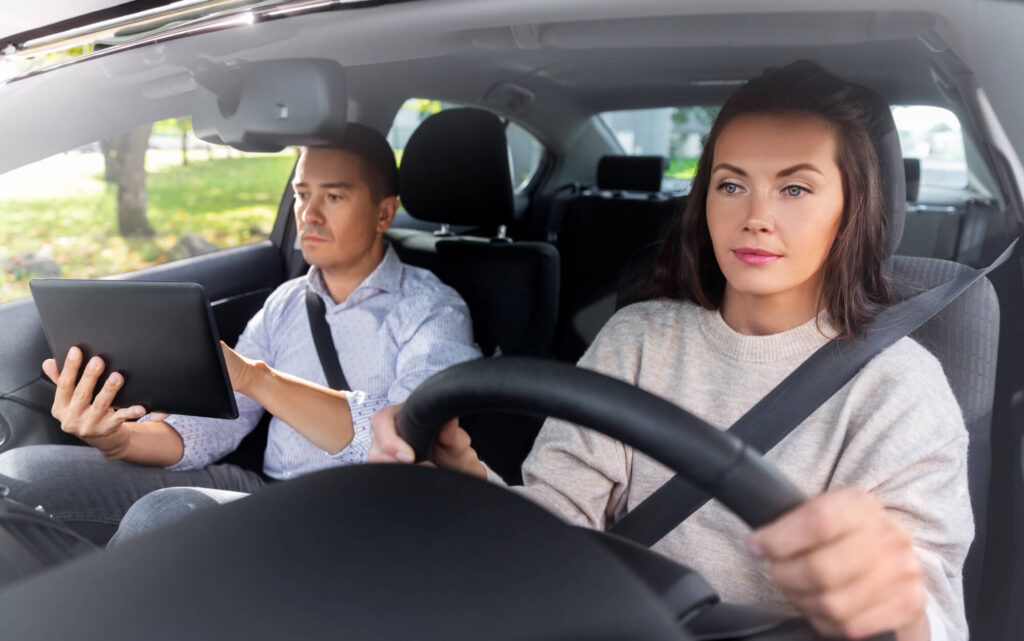
How Jungle Driving School Teaches Road Rage Safety
At Jungle Driving School, road rage safety is treated as a core life skill, not just a rule to memorize. New drivers are taught that defensive driving is as much about emotional control as it is about vehicle control.
Through The Jungle Way, students learn to anticipate aggressive roadway behavior before it escalates. This includes recognizing early warning signs such as tailgating, speeding, weaving through traffic, excessive honking, and aggressive lane changes. Drivers can create space, slow situations down, and avoid conflict altogether when they learn to spot aggressive driving behaviors quickly.
Jungle Driving School also emphasizes:
- Awareness of surroundings and traffic patterns
- Managing stress and emotions behind the wheel
- Maintaining control in high-pressure situations like intersections, red lights, and heavy traffic
- Choosing safe responses over emotional reactions
Rather than reacting to provocation, students are trained to prioritize safety, stay calm, and keep their attention on the road. This real-world approach helps new drivers handle difficult situations with confidence and caution, even when faced with an aggressive driver.
Road Rage Safety FAQs
Is road rage illegal?
Road rage is not a specific criminal offense in every state. However, behavior associated with road rage—including reckless driving, threats, intimidation, assault, property damage, or violence—can result in traffic citations, criminal charges, license consequences, or civil liability. Laws and penalties vary by state.
What should a new driver do if someone is tailgating aggressively?
Stay calm and avoid braking suddenly or speeding up. Maintain a steady, lawful speed and increase the space ahead of your vehicle so you can slow gradually if necessary.
When it is safe, safely change lanes or pull into a public location to let the aggressive driver pass. Do not block the vehicle, compete for position, or attempt to teach the other driver a lesson.
Should you call 911 for road rage?
Call 911 if you feel physically threatened, an angry driver attempts to force you off the road, a weapon is involved, or there is another immediate danger.
For aggressive driving that does not present an immediate threat, note what you can safely remember and contact local police through a non-emergency line once you are safely parked. Do not use your phone or attempt to record details while driving.
What should you avoid doing when confronted by an aggressive driver?
Avoid engaging, making prolonged eye contact, making rude gestures, honking in retaliation, brake-checking, blocking another vehicle, or following the driver. These actions can escalate a traffic incident into a dangerous confrontation.
How can new drivers avoid road rage in themselves?
Plan ahead by allowing extra travel time, using turn signals early, maintaining safe following distances, and driving predictably. These habits can help new drivers avoid aggressive driving behaviors and reduce unnecessary conflict with other road users.
Learn to recognize physical signs of stress—such as clenched hands, shallow breathing, or a racing heartbeat—before frustration begins to affect your decisions.
Calm alertness gives a driver time to recognize the pattern, preserve space, and choose a controlled response.
Teaching Teens That the Safest Response Is Often No Response
One of the most important lessons new drivers can learn is that they do not have to engage with road rage at all. The safest response to an irate driver is often no response: no eye contact, no gestures, no retaliation.
Road rage thrives on reaction. When a driver refuses to participate, the conflict often loses momentum.
For teens, this lesson goes beyond driving. Learning to pause, breathe slowly, and choose calm over confrontation builds lifelong decision-making skills. It also reinforces that road safety is not about dominance or being “right,” but about getting home safely.
At Jungle Driving School, the goal is not just to help teens pass a test, but to help them become confident, capable drivers who know how to handle real-world challenges.
Search for and contact your nearest Jungle Driving School that will prepare new drivers to stay safe no matter what the road throws their way.