
Learning to drive is a common rite of passage, but how teens get there can vary dramatically. Across the U.S., especially in states like Texas, Iowa, and Oklahoma, more families are considering parent-taught drivers ed as an alternative to traditional driving schools. With flexible schedules, fewer upfront costs, and the potential for a more personalized experience, it’s easy to see why some parents consider teaching their teen drivers themselves.
But is it enough?
As students prepare for their learner’s license, take their permit test online through tools like the Road Ready App or Aceable, and log behind-the-wheel hours on highways at sunset or before sunrise, the question becomes less about who teaches and more about how prepared the teen will be when it counts most: during the driving test and in everyday traffic.
Let’s compare parent-taught drivers ed—both the official, state-sanctioned version and the informal, do-it-yourself approach—with professional driving schools like Jungle Driving School. You’ll also learn about the requirements, risks, and realities of each, so you can make the smartest choice for your family.
What Is Parent-Taught Driver’s Ed?
Parent-taught driver’s education (PTDE), often called parent taught drivers ed or parent taught driver education, can refer to a program offered in certain U.S. states, such as Texas (via the TDLR), Oklahoma, and Iowa, that allows a parent or legal guardian to act as the official instructor for their child’s driving education. These programs are designed for teen drivers working toward a learner’s permit and eventually a driver’s license. These parent-taught providers must meet specific legal requirements and state requirements set by the state’s driver licensing agency, such as the Texas Department of Licensing & Regulation or Iowa DOT, in order for the program to be recognized and for the student to qualify.
There are two primary types of parent-led instruction.
Unofficial Home-Taught Driving Instruction
Parent-taught driver education can also refer to situations where a parent, foster parent, or other eligible person teaches a teen to drive without enrolling in a state approved parent program or an approved online drivers education course. While this approach may still help a student practice driving and prepare informally for a learner’s license or final driver’s license, it may only partially comply with state requirements, depending on the state.
There is typically no formal curriculum, online course, or regulatory oversight. Although the teen may log hours of practice driving in a parent-supervised log and gain experience with street or highway driving, they may miss out on structured instruction that addresses driving skills deficiencies, hazard awareness, alcohol-related rules, safe driving skills, or required night driving practice. This approach often lacks unlimited practice tests, permit test preparation, and written test guidance commonly found in official drivers ed programs.
This informal route may not be recognized by insurance providers for discounts and often leaves gaps that become apparent during the permit exam or official driving test.
Official Parent-Taught Driver Education Programs
In states where parent-taught driving courses are legally recognized, parents must follow an official process to participate. For example, Texas parent taught drivers ed requires that Texas teens of eligible ages have a parent or legal guardian submit an official Parent-Taught Driver Education Instructor Designation Services Request through the TDLR before instruction can begin. This ensures the parent is eligible to serve as the instructor and that the program receives proper state approval.
Required documentation commonly includes:
Parent 1 name and Parent 2 name, if applicable
Parent 1 phone number and Parent 2 phone number
Parent 1 email address and Parent 2 email address
Driver’s license information, including DL number, DL state of issuance, and DL expiration date
Mailing address
Student name, student date of birth, student email address, and age
Once approved, the parent can purchase a TDLR approved course from a recognized driver education provider, including online drivers education platforms. These online driving courses allow students to complete the classroom portion of drivers education at their own pace using a computer or other device, while the parent teaches behind-the-wheel driving. Driving practice logs are submitted digitally using tools like the Road Ready App or through a sample completed driving log format, typically broken down by date, hours, driving environment, and conditions such as daytime, night driving, or rural driving.
What’s Required in a PTDE Program?
Requirements vary by state, but most programs may include:
- Purchase of an approved course from a licensed provider
- Parent registration and eligibility confirmation with the state
- Completion of an official driving log
- A required number of supervised driving hours, including night driving
- Inclusion of real-world driving environments (urban, highway, rural)
- Submission of course completion to the state for driver’s license eligibility
Some states, like Idaho, require additional forms and communication with school districts in rural areas through platforms like the Idaho Driver Education program or local event calendars.
Although official PTDE provides structure, the responsibility lies heavily on parents to ensure thorough and consistent instruction, something that can be difficult without professional training. As we’ll explore next, even the most committed parents may face challenges when acting as a teen’s only instructor.
Pros and Cons of Parent-Taught Driver’s Ed
While the parent-taught model offers flexibility and convenience, it also introduces serious limitations, particularly when it comes to safety outcomes, instructional consistency, and real-world preparedness.
Below, we break down both the advantages and the challenges of parent-taught driver’s education so families can make an informed choice.
Advantages of Parent-Taught Drivers Ed
- Flexible Scheduling: PTDE allows families to complete coursework and driving instruction on their own timeline. This is especially helpful for students in rural districts or those balancing school, sports, and jobs.
- Lower Upfront Costs: In many states, purchasing an approved course from a parent-taught provider is more affordable than enrolling in a full-service driving school. The learner can take online driver education courses and pair them with parent-supervised driving.
- Comfortable Learning Environment: Some students may feel more relaxed learning from a parent they know and trust. This emotional familiarity can reduce early-stage anxiety behind the wheel.
- Control Over Curriculum Pace: Parents can choose to spend more time on difficult subjects—like night driving or highway merging—and less on areas where the student is already confident. This customized pacing can be a strength when executed correctly.
Disadvantages and Limitations of Parent-Taught Drivers Ed
- Lack of Professional Instruction: Even the most well-meaning parents may not know how to correct driving skills deficiencies or teach defensive driving tactics in a structured, progressive manner. Without certified training, these key skills can be missed or misunderstood.
- Outdated or Inaccurate Driving Practices: Parents may also inadvertently teach outdated or inaccurate driving habits, or be unaware of newer traffic laws for rare but important driving maneuvers and circumstances.
- Instructional Bias and Emotional Conflict: It’s common for teens to tune out parents or resist correction, especially during tense or complex road scenarios. This can lead to frustration and less effective learning.
- Missed Safety Training Opportunities: PTDE may not include simulations, scenario-based learning, or exposure to advanced hazard recognition. Without these tools, students may be underprepared for emergency responses, aggressive drivers, or inclement weather.
- Documentation Burden: Parents must manage detailed logs, sometimes including a sample completed driving log, and track every segment of instruction. This includes hours spent on street or highway driving, time driven before sunrise or after sunset, and whether or not the teen demonstrated sufficient competency. Failure to submit correct records to the TDLR or other agencies can delay licensing.
- Limited Recognition for Insurance Discounts: Many insurance companies only offer reduced premiums for students who complete a certified Driver Education Program through a licensed school. PTDE courses may not always meet that standard, meaning families could miss out on long-term savings.
- Incomplete Readiness for the Driving Test: Passing a permit test online is only part of the journey. When it comes to the real-world driving test, especially in states with strict examiners, students may find themselves underprepared if their driving instruction hasn’t included high-pressure or diverse traffic conditions.
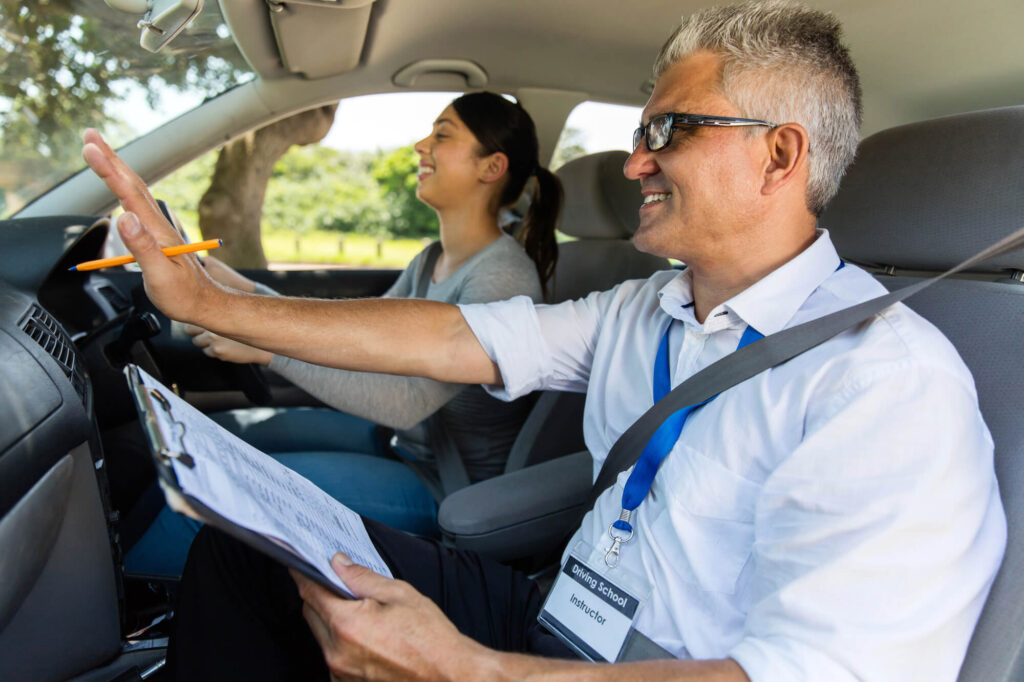
What Sets Driving Schools Apart?
Professional driving schools offer a complete, state-certified learning experience designed to prepare students not just for licensing, but for life on the road. Programs like those at Jungle Driving School go beyond minimum requirements by building confidence, situational awareness, and long-term decision-making skills that dramatically reduce crash risk.
Trained Instructors Make the Difference
Certified instructors follow a structured curriculum aligned with state regulations, such as those established by the Texas Department of Licensing & Regulation. These instructors are trained to detect driving skills deficiencies early, correct them with specific drills, and provide ongoing feedback based on proven learning methods.
Where a parent might say “just be careful,” a certified instructor will walk the student through how to scan intersections, calculate stopping distances, or navigate aggressive traffic calmly.
Standardized Curriculum and Accountability
Unlike parent-led instruction—which can vary based on the parent’s own habits or understanding—driving schools follow a formal driver education program that includes:
- Curriculum modules covering everything from vision and perception to defensive driving
- Lesson plans that emphasize street and highway driving, night driving, and preparing for adverse weather
- Integrated record-keeping and driving log systems to track student progress
- Scheduled skill assessments to identify strengths and correct mistakes in real-time
This approach gives parents peace of mind and provides clear documentation for insurance providers, schools, or licensing authorities.
Higher Safety and Licensing Outcomes
Data used by Jungle Driving School shows that students who complete their driver education through our program are 80% less likely to be involved in an accident within their first three years of driving. This is achieved through:
- Hands-on practice with certified instructors in real traffic environments
- Scenario-based learning that simulates common crash situations
- Regular feedback and performance check-ins with both the student and the parent
In contrast, informal or lightly regulated instruction may result in overconfidence, poor reaction timing, or insufficient exposure to unpredictable scenarios, issues that often surface too late during a driving test or an emergency.
Bonus: Long-Term Insurance and Career Benefits
Driving schools often issue a certificate of completion that can be submitted to insurance providers for premium discounts. In some cases, students also gain points toward elective high school credit or driver education endorsements that support job readiness or eligibility for delivery and transportation roles.
Parent-Taught vs Driving School: A Side-by-Side Comparison
When it comes to driver education, families often weigh the value of flexibility and cost against structure, depth, and safety outcomes. To simplify the decision, here’s a clear side-by-side comparison of parent-taught drivers ed and professional driving school programs, such as those offered by Jungle Driving School.
Comparison Table
| Feature | Parent-Taught Drivers Ed | Driving School |
| Course Format | Self-paced via online courses (TDLR-approved course provider) | In-person or blended instruction with classroom lessons and behind-the-wheel practice |
| Instructor Credentials | Parent or legal guardian | State-certified driving instructors |
| Curriculum Quality | Varies by provider and parents’ teaching ability | Structured, state-approved Driver Education Program |
| Driving Log | Managed by parent (Parent Supervised Log, sample completed driving log submission required) | Professionally tracked and verified through school systems |
| Night Driving Exposure | Dependent on parents’ initiative and time | Integrated into lesson plans with instructor oversight |
| Street/Highway Training | Dependent on the parent planning | Required in many states and coached in real-time by professionals |
| Driver License Readiness | Relies on parent knowledge, may lack formal test prep | Includes permit test prep, road readiness evaluation, and test-day simulation |
| Insurance Discounts | Not always recognized by providers | Often qualifies students for 5–15% insurance savings with a valid certificate |
| Cost | Lower initial cost, but more responsibility | Higher upfront investment, less administrative burden |
| Outcome Data | No universal data tracking | Proven reduction in crash rates and better test outcomes |
| Support | Parent-led, with some tools (Road Ready App, online permit exam) | Full instructional support and student-parent communication systems |
| Extras | No standardized enrichment or feedback tools | Optional resources, Event Calendar access, and progress communication to parents |
As the comparison shows, while parent-taught programs may work well for highly motivated families with sufficient time and teaching capabilities, they often fall short in areas that matter (like test readiness, real-world scenario training, and long-term driver safety).
Why Jungle Driving School Is the Best of Both Worlds
Jungle Driving School bridges the gap between structure and personalization. While parent-taught driver’s ed relies on a parent’s ability to juggle instruction, documentation, and emotional dynamics, our approach at each of our locations offers a complete Driver’s Education Program designed to empower both the student and the family.
Parent Engagement, Without the Pressure
At Jungle, we encourage active parental involvement without requiring them to become the sole instructor. Through tools like progress tracking, driving log access, and open communication with instructors, parents stay informed and connected. Families receive updates via email or student portals, making it easy to track each student’s achievements without managing every step manually.
This model supports both Parent 1 and Parent 2 as key allies in the learning process, without burdening them with paperwork such as DL State of Issuance forms or requiring manual logging of DL Expiration Date milestones in a state system.
Real-World Readiness Built Into the Curriculum
Our program includes:
- Classroom sessions guided by certified instructors
- In-car training across urban, highway, and rural roads
- Night driving practice supervised with performance tracking
- Built-in evaluation for driving skills deficiencies
- Integrated use of state tools like online permit exam prep
Our curriculum is designed with direct input from educators, parents, state regulators (e.g., TDLR), and insurance partners, so it addresses every critical step toward driver’s license eligibility and road safety.
Outcomes You Can Measure
The Jungle Driving School methodology produces consistent, measurable results:
- Students trained through Jungle are 80% less likely to be involved in a crash in their first three years of driving
- Most graduates qualify for reduced insurance rates immediately upon certification
- Our students outperform average pass rates on the driving test and report higher confidence during highway and night driving.
Whether you’re a Texas teen navigating the PTDE process, a family comparing online courses with in-person training, or a parent in Oklahoma looking to meet rural district education requirements, our school adapts to your needs while delivering proven outcomes.

Which Option Is Right for Your Family?
Choosing between parent-taught drivers ed and a professional driving school comes down to more than just convenience or cost. It’s about what kind of driver your teen will become, not just on the day they pass their driving test, but in the unpredictable, real-world situations that follow: heavy traffic, late-night driving, sudden weather changes, and distracted drivers on every side.
When Parent-Taught Drivers Ed Might Work:
- Your family has plenty of time and patience for instruction
- You can meet detailed documentation requirements (e.g., parent supervised log, DL Number submissions, Road Ready App tracking)
- You’re confident in your ability to teach safely and consistently
- You’re in a rural district where access to professional instruction is limited
However, even in ideal conditions, parent-led instruction often lacks:
- Structured hazard training and scenario-based learning
- Unbiased correction of driving habits or deficiencies
- Test readiness under pressure or in complex driving conditions
Why Most Families Choose a Driving School:
- Certified instructors bring professional insight and coaching
- Programs include night driving, street/highway training, and defensive techniques
- Built-in systems manage documentation, logs, and communication
- Students are more likely to pass the driving test and qualify for insurance discounts
- Jungle-trained students are 80% less likely to be involved in early driving accidents
So, which path is right for your family?
For most families, the best choice isn’t either/or. Instead, it’s a combination of parental support and professional training. Jungle Driving School gives you both, ensuring your teen is not only prepared to earn their license but also prepared to drive safely, confidently, and independently in the real world.
Ready to Enroll? Learn with Jungle Driving School Today
If you’re looking for a driver education experience that checks every box—safety, structure, flexibility, and long-term impact—Jungle Driving School is ready for you.
When you enroll, you’ll receive:
- Access to a certified Driver Education Program trusted by thousands of families
- Instructors trained to address driving skills deficiencies and build safe habits
- Night driving, highway, and emergency training are built into your schedule
- Clear communication with parents, including updates on your teen’s driving log, performance, and licensing readiness
- Tools that support documentation for state agencies
We’ll guide you through every step, from preparing for your permit test online to completing your behind-the-wheel instruction to earning that first driver’s license with confidence.
Don’t just meet the minimum. Choose the program that helps students—and their families—master the road ahead.
Find a Jungle Driving School location near you and enroll today.