
What to Do After a Car Accident: A Step-by-Step Checklist for Teen Drivers
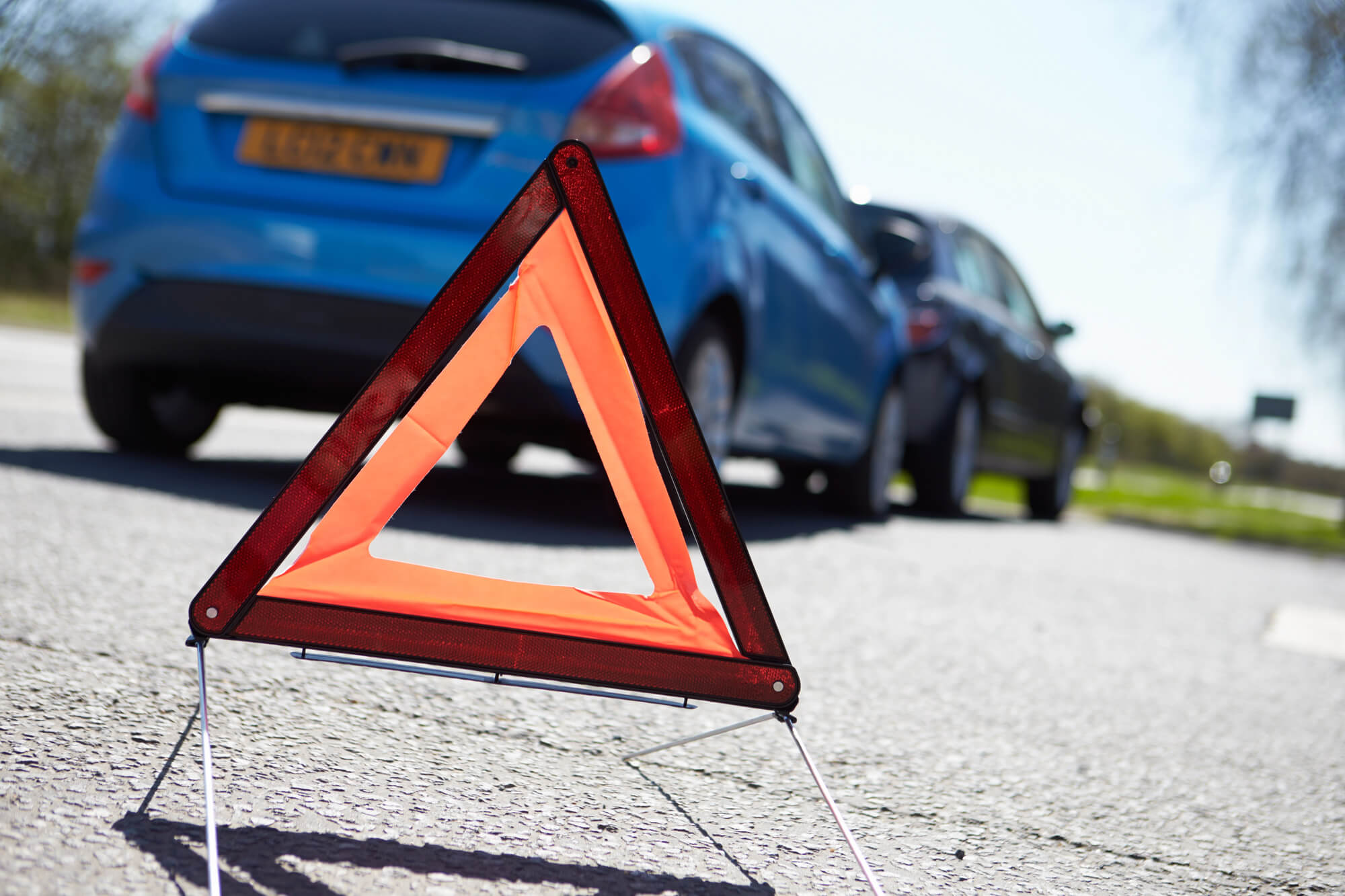
Your teen’s first car crash can be one of the scariest moments of their driving life. One moment, they’re navigating through traffic signs to their destination; the next, their heart is pounding, their hands are shaking, and every “what to do after a motor vehicle accident” rule seems to vanish. You’re at home, not at the accident scene, trying to piece things together through a broken cell phone call.
Those first few minutes matter for safety, medical attention, legal obligations, insurance, and your teen’s confidence about ever driving again. Laws and insurance rules vary by state, so what follows is general information—not legal, medical, or insurance advice—and should be checked against local requirements and the instructions of law enforcement and emergency medical technicians.
Nonetheless, the goal is the same in every state and simple: give your teen a clear, repeatable plan for making deliberate safety decisions.
What to Do After a Car Accident Quick Answer: Stop and assess immediate danger. Check for injuries and call 911 if anyone may need medical treatment or the scene is unsafe. Follow emergency instructions; move the vehicle only when it is safe and appropriate. Once safe, turn on hazard lights, exchange required information, document the scene without entering traffic, notify a parent or trusted adult, and contact your insurance company. State reporting requirements vary, but maintaining thorough accident records can support potential claims.
Step 1: Snap Out of Shock and Get to Safety
The first minute after an auto accident is critical for preventing further harm. Your teen doesn’t need to focus on blame, insurance information, or legal assistance at the moment.
Instead, they need a clear routine to assess injuries, any immediate danger, and decide whether they should remain in the vehicle or move to a safer area. If the vehicle is on fire, emitting smoke, or presents an immediate traffic hazard, they should follow emergency guidance (which we’ll address later) and move to safety when it is appropriate.
Use a Quick Pause–Breathe–Scan Reset
After bringing the vehicle to a complete stop, teach your teen to evaluate immediate danger and external or internal injuries to the best of their knowledge. If no urgent threat requires action, use this quick reset:
- Pause: Secure the stopped vehicle and check for immediate danger, such as smoke or fire; do not delay urgent action.
- Breathe: If safe, take a slow breath to steady your attention.
- Scan: Look around inside the car, then through all windows for traffic and hazards.
This brief reset can help your teen regain focus, but it must never delay emergency actions, such as calling 911 (which we will dive into further in the next section) or moving away from an immediate threat. Feeling rattled is normal; this routine gives them something simple to do next instead of freezing. They can quietly think, “pause, breathe, scan,” and only move when it’s safe.
As a family, rehearse this pause-breathe-scan routine in calm moments so it feels familiar if a car crash ever occurs. This can be practiced in the driveway: while safely parked, have your teen imagine a sudden bump, then walk through the steps out loud until it feels automatic.
Decide if You Can Move the Car
Still belted in, they should quickly check:
- Am I sitting in a live lane, a blind curve, or an intersection?
- Do I see smoke, flames, leaking fuel, or downed power lines?
- Can the car steer and roll a short distance without grinding or dragging?
If it’s safe and the vehicle can move, they can signal, turn on hazard lights, and carefully pull to a shoulder, side street, or parking lot. On high-speed roads, remaining belted inside a secured vehicle may be safer than standing beside traffic; conditions vary, so follow emergency responders’ or law enforcement instructions, and avoid exposed travel lanes.
Where People Should Stand
If they do exit the vehicle, coach your teen to:
- Stand well off the road, never between vehicles.
- Stay visible to oncoming drivers.
- Keep passengers together in one safe spot.
Once everyone is in a safer location, remind your teen to stay alert to approaching traffic and avoid returning to the roadway to inspect property damage or collect belongings. They should remain in a safe spot until emergency or law enforcement responders provide further instructions or it is safe and appropriate to leave the scene.
Step 2: Check for Injuries, Call for Help, and Involve Adults
It’s critical for your teen to have a straightforward method to check for injuries after the initial shock and understand when to contact emergency services.
A Simple Head-to-Toe Check
Provide your teen with a checklist to assess a potential need for medical attention:
- Is anyone bleeding, unable to move, or struggling to breathe?
- Does anyone feel dizzy, very sick, or “not right” in the head or neck?
- Did anyone impact their head or chest against the steering wheel, dashboard, or window?
If the answer to any of these questions is “yes” or “I’m not sure,” they should call 911 immediately to report the collision. It’s better to have emergency medical technicians assess minor issues than to overlook a serious condition. Teens should not make medical decisions but rather let EMS providers evaluate injured parties. Uncertainty about the severity of injuries should always be resolved by contacting emergency services and providing the details of the accident.
Additionally, unless there’s an immediate threat from fire, smoke, or oncoming traffic, your teen should refrain from moving anyone who might be seriously injured, await the arrival of paramedics, and follow dispatcher instructions closely.
When to Call 911, What to Say, and When to Contact Home
After a car crash, your teen should adhere to three crucial priorities: ensure safety, call for needed help, and notify a trusted adult. Practicing these actions beforehand prepares them to respond calmly when a motor vehicle accident occurs.
Some states have specific requirements for reporting collisions, so first familiarize your teen with local mandates.
Nonetheless, there are specific situations where calling will always be warranted, so teach them to dial 911 if:
- Anyone might be injured and need emergency medical assistance.
- Vehicles create a traffic hazard.
- Another driver seems impaired, aggressive, or attempts to flee the scene.
For car accidents that don’t require immediate emergency response, ensure they still follow local reporting procedures.
Practice a simple 911 script. Instruct your teen to convey four key pieces of information:
- What: Simple details of the collision and vehicles involved.
- Where: Street address, intersection, or a notable landmark.
- Who: Potential injuries, the number of people affected, and their condition.
- Danger: Any fire, leaking fuel, obstructed roads, or threatening actions.
Avoid giving unnecessary vehicle details (like make or model year) or worrying about who is at fault, since this isn’t a police report or insurance claim.
For example: “Two vehicles collided at Main Street and Oak Avenue. One person may be injured, and traffic is obstructed.” Teach your teen to answer all the dispatcher’s questions, follow their guidance, and remain on the call until instructed to disconnect.
Agree on when to contact home. Once your teen is secure and emergency services have been alerted if needed, their next step should be calling you or a trusted adult. Reinforce that safety and emotional support outweigh any concerns about blame or punishment.
Reminding your teen that they don’t have to navigate a car accident alone provides reassurance, they are encouraged to get safe, request assistance, and communicate any report with home.
Step 3: Make the Crash Scene as Safe as You Can and Avoid New Dangers
Even after the initial shock, the scene itself can be dangerous. Additional collisions can occur when approaching drivers do not see stopped vehicles or people on the road. A quick scene sweep helps your teen decide whether to stay in the car, step out, or move farther away, especially on highways and busy, high-speed roads.
Do a Fast Scene Sweep Before Walking Around
Coach them to check:
- Traffic: Which direction are cars coming from, and are they slowing?
- Road design: Hills, tight curves, narrow shoulders, or blind driveways nearby?
- Weather conditions: Rain, snow, fog, or glare that might hide people and vehicles?
That scan helps them choose the safest place to stand or sit while they wait.
Stay at the Scene Until It’s Clearly Safe to Leave
Leaving the scene of a car accident without meeting applicable duties to stop, assist, report, and exchange information can have legal consequences. Unless emergency responders direct otherwise, your teen should remain at the scene, or at a nearby safe location when appropriate, until:
- Injured people are being helped or transported.
- Police, if called, have spoken with them.
- Basic information has been exchanged with other drivers.
If the other driver leaves, your teen should not follow them. Instead, they can safely note the plate number, vehicle description, and direction of travel and give that to 911 or the police.
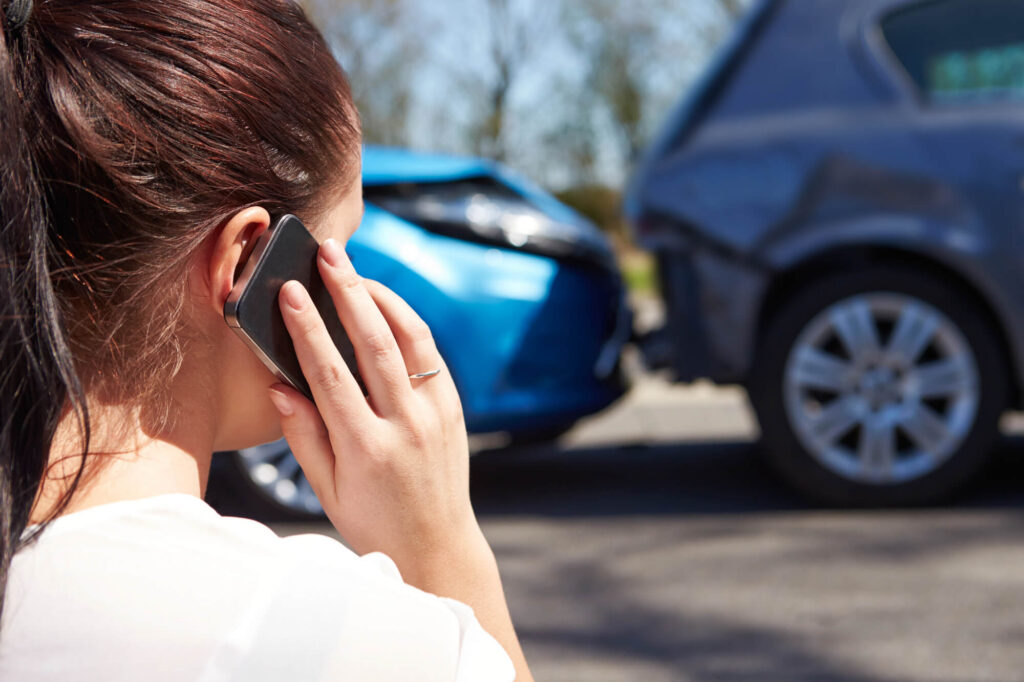
Step 4: What Should You Say—and Not Say—After a Car Accident?
What your teen says in those initial conversations can influence emotional reactions, insurance claims, and potential legal issues later. The golden rule is simple: be courteous, stick to facts, don’t make assumptions, and avoid assigning blame on the scene. Their responsibility is to recount what occurred without attempting to determine fault.
Simple Scripts That Work Under Stress
Offer your teen some prepared phrases to use:
- To other drivers: “Is everyone okay? Let’s exchange information, including insurance details.”
- To someone pressuring them: “I need to follow my parents’ guidelines and state rules.”
- To slow things down: “I’d like to contact my parent or guardian while cooperating with necessary actions.”
- To law enforcement: provide accurate information required by law (vehicle registration, insurance company, full name), comply with lawful directives, and refrain from guessing about details they do not know.
They should avoid saying “This was my fault” or accusing the other driver; trained accident reconstructionists and insurance adjusters will handle that later. Remind your teen not to speculate about liability or agree to a private settlement under pressure. They should be honest with police and insurance companies, fulfill their legal obligations, including presenting documents such as their driver’s license, and consult a parent or insurer before signing nonessential agreements.
Teens can use the exact statements above if they are feeling overwhelmed.
Handle Conflict, Don’t Fuel It
If the other driver is agitated, recording, or attempting to intimidate, your teen’s task is to de-escalate:
- Step back to a safer area of the scene.
- Call you or another trusted adult for guidance and support.
- Dial 911 if they feel threatened or need law enforcement presence.
If asked to sign a towing or repair form related to vehicle damage, your teen should read it thoroughly and contact you or their insurer for advice, keeping in mind that emergency towing services or legal obligations may require prompt attention.
Emotions Are Normal
Although the collision happens in seconds, the emotional aftermath often persists. Many teens replay the accident in their minds, become anxious about revisiting the same route, or feel uneasy doing tasks that seemed easy before. Your response can transform their experience into either lasting anxiety or an opportunity for reflection and gradual rebuilding of confidence.
Let your teen know that reactions such as crying, trembling, or suddenly withdrawing are normal in the context of shock. Encourage them to focus on manageable steps, communicating with emergency medical technicians if needed, exchanging required information, and calming their breathing, rather than aiming for perfection. Your composed, reassuring response when you arrive or speak by phone will help them think more clearly about subsequent steps.
If you wish for structured support, Jungle Driving School offers a nurturing environment where a calm, experienced instructor can assist your teen in revisiting key driving skills and regaining confidence while you remain actively involved. That same level of preparation is essential even before a motor vehicle accident occurs.
Step 5: Know What Details You Need to Collect for Insurance Claims
Gathering crucial information from the scene of a motor vehicle accident simplifies both the insurance process and vehicle repairs.
While your teen doesn’t need to become a detective, they should follow a straightforward checklist and practice strong privacy habits. The objective is to identify the key parties, vehicles, and basic details, without sharing more personal information than necessary at the time.
Exchange the Essentials
Teach your teen to collect the following:
- Names and phone numbers for all drivers involved in the car crash
- License plate numbers and details of vehicles, including makes and models
- Insurance company names and policy numbers
- Names and numbers for any willing witnesses
- Driver’s license information and vehicle owner details as required by state law
- Obtain the police report number if law enforcement is involved
Having a note on their phone or a checklist card in the glovebox can help them stay organized when under stress.
Take Smart Photos Without Creating New Risks
If it’s safe to do so and they can avoid active traffic lanes, they should:
- Take wide shots of each vehicle and the surrounding road environment at the scene
- Capture close-ups of visible property damage on all vehicles
- Document traffic signs, signals, and lane markings
They must avoid standing between vehicles, turning their back to ongoing traffic, or stepping into areas where other drivers may not expect pedestrians.
Protect Privacy and Future Claims
Here’s what teens should avoid doing:
- Sharing Social Security numbers or other sensitive ID details
- Providing more license information than required by applicable law
- Sharing unauthorized photos or comments about the collision on social media can complicate auto insurance claims and legal proceedings later.
Encourage your teen to discuss the car accident fully with you and the insurer before posting anything or making decisions that can impact their auto accident claim.
Turn Panic Into a Plan: The Teen Crash Checklist Framework
In a crisis, nobody remembers a long list. Teens do best with a short, repeatable framework they’ve seen and practiced.
One optional at-home memory aid is a SAFE-CALL sequence, easy to keep on a wallet card or locked note on a phone, so your teen has a script to lean on when they feel overwhelmed.
SAFE-CALL is:
- S – Safety: Get out of immediate danger.
- A – Assess: Check for injuries on yourself and others.
- F – Facts: Notice where you are and what happened.
- E – Exchange: Swap essential information with other drivers.
- CALL –: Call 911 immediately when needed; contact parents or caregivers and insurance when safe.
In a severe emergency, call 911 as soon as injuries or serious danger are apparent, even if you have not completed the other SAFE-CALL steps. Contact a parent or trusted adult once immediate safety needs are addressed. SAFE-CALL is a memory aid, not a strict sequence.
At home, fold SAFE-CALL into your broader driving agreement (alongside curfews, passenger limits, and phone rules) so expectations feel clear and written down, not just “things parents say in the car.” On a lock screen or glovebox card, you might label it Crash Checklist – SAFE-CALL so your teen can find it fast when they need it.
SAFE-CALL is a simple checklist families can practice at home, and can complement the emphasis on awareness, space management, and thoughtful decision-making that defines The Jungle Way at Jungle Driving School.
Through structured, real-world driver education, Jungle Driving School helps teens build the skills and confidence to recognize hazards, make safer decisions, and respond thoughtfully when the unexpected happens.
Help Your Teen Prepare for the Unexpected with Jungle Driving School
No parent wants to picture their teen sitting at the side of the road after a crash, but giving them a plan now is one of the best safety gifts you can offer. When your teen has practiced how to assess danger, call for help, collect information safely, and communicate after a collision, they have a clearer plan for an uncertain situation.
You can start tonight: walk through SAFE-CALL together, save a short version on your teen’s phone, and tuck a printed card into the glovebox.
When you’re ready for guided practice that reinforces real-world awareness and decision-making—not just test prep—Jungle Driving School can help your teen learn these habits alongside lane control, hazard scanning, and highway skills. That way, every time they leave the driveway, both of you know there’s a clear, rehearsed plan in place if something goes wrong.
When your family is ready to explore the next step, find a location near you to learn more about Jungle Driving School’s driver education options.