
Car Maintenance Basics Every New Driver Should Know
Getting your driver's license is a big milestone. Learning how to take care of your car is part of becoming a responsible driver.
There's no need for you to become a mechanic to understand basic car maintenance for new drivers. But you also don't want to depend on a service center for everyday issues.
You just need to know what to check, how often to check it, and which warning signs deserve attention.
A few minutes of regular vehicle care can help you spot worn tires, low fluids, faulty lights, and other problems before they turn into expensive surprise breakdowns that leave you stranded or expensive trips to the repair shop.
At Jungle Driving School, we believe preparing teens for real roads means more than teaching them how to pass a driving test. It means building the knowledge, habits, and confidence to handle everyday driving responsibilities.
Here's your beginner-friendly guide with practical tips for keeping your vehicle in good shape.
Why Basic Car Maintenance Matters for New Drivers
When you're learning to drive, most of your attention goes toward steering, braking, parking, and navigating traffic. But the condition of your vehicle matters, too.
Think about it: Even a careful driver can have trouble controlling a car with badly worn tires, ineffective windshield wipers, or a mechanical problem that needs attention.
Regular maintenance helps you:
- Support Safer Driving: Properly maintained tires, brakes, and lights help your vehicle perform as intended. Regular tire checks to maintain proper pressure, ensuring adequate brake fluid levels, and regularly checking the oil dipstick improve road safety.
- Avoid Unexpected Breakdowns: Regular inspections of engine oil, transmission fluid, and battery health can reveal developing problems, such as corrosion, before they escalate. The check engine and other dashboard light warnings should never be ignored.
- Save Money: Catching small issues early may help prevent costly repair bills. Simple tips like checking oil levels with a dipstick or maintaining coolant reservoirs can be key to saving money over time on repairs.
- Improve Fuel Efficiency: Proper tire inflation and scheduled engine maintenance can help reduce unnecessary fuel consumption, thereby saving money on gas.
- Build Independence: Knowing what your vehicle needs makes you a more prepared driver. Understanding where and how to check levels under the hood, such as brake and windshield washer fluid, goes a long way toward building confidence every time you go out for a ride.
Your most important maintenance resource? Your vehicle owner's manual.
Keep it accessible in your glovebox or through the manufacturer's digital app. It provides crucial info on your vehicle’s dashboard symbols, recommended tire pressure, fluid specifications, miles until next oil change, and maintenance schedule. Staying on top of these details with a simple calendar or service sticker can help you track your vehicle's needs over time.
With these maintenance tips and a little attention to detail, you'll be ready for the road and many safe miles ahead.
The Monthly Car Maintenance Checklist Every New Driver Needs
You don't need to inspect every engine component each weekend. Start with a simple routine once a month, plus a quick walkaround before longer trips.
1. Check Your Tire Pressure and Tread
Your tires are the only parts of your car that normally touch the road. Their condition affects traction, braking, and handling.
Check tire pressure at least once a month, ideally before driving or after the car has been parked long enough for the tires to cool.
Find the recommended pressure (PSI) on the sticker inside the driver's door jamb or in your owner's manual. Don't use the maximum pressure printed on the tire's sidewall as your inflation target.
Use a tire pressure gauge to measure each tire, including the spare if your vehicle has one. Inflate or adjust according to the manufacturer's specifications.
Next, inspect the tread.
Try the penny test:
- Hold a penny with Abraham Lincoln's head pointing downward.
- Insert it into a tire tread groove.
- If you can see the top of Lincoln's head, the tread is approximately 2/32 of an inch deep or less.
That means the tire has reached a common minimum tread-depth threshold and needs replacement. Tires can lose important wet-road traction before reaching that point, so don't rely on the penny test alone.
Also look for uneven wear, cuts, cracks, or bulges. If something looks wrong, have the tire inspected.
2. Check Engine Oil and Essential Fluids
Your car depends on several fluids to operate properly. Checking their levels can help you identify potential problems.
- Engine oil: Oil lubricates moving engine parts. If your vehicle has a dipstick, follow the owner's manual's instructions for checking it and which type of oil (conventional or synthetic oil) is needed. Some vehicles use an electronic oil-level display instead.
- Engine coolant: Coolant helps regulate engine temperature. With the engine cool, look at the markings on the coolant reservoir. Never remove a hot radiator or pressurized coolant cap.
- Brake fluid: Find the brake fluid reservoir and check whether the level falls between its marked limits. If it's low, don't simply top it off and forget about it. Low brake fluid may indicate worn brake components or a leak requiring professional attention.
- Windshield washer fluid: Keep the reservoir filled so you can clean dirt, bugs, and road grime from your windshield.
- Transmission fluid: Some vehicles have a transmission dipstick, while others use sealed systems requiring special procedures. Follow your owner's manual rather than guessing.
- Beginner tip: Never add an unfamiliar fluid to a reservoir. Different systems require specific products, and using the wrong one can cause damage.
3. Test Your Lights and Windshield Wipers
Good visibility works both ways: You need to see the road, and other drivers need to see you.
Once a month, check your:
- Headlights and high beams
- Brake lights and taillights
- Turn signals and hazard lights
- Windshield wipers and washer spray
Ask a parent or another responsible person to help verify that your brake lights work.
Inspect your wiper blades for cracks, streaking, skipping, or squeaking. Replace them when they no longer clear the windshield effectively.
Clean windows, mirrors, and exterior camera lenses, too. Even simple visibility checks can make a difference during rain, darkness, and heavy traffic.
4. Watch for Leaks, Noises, and Changes in Performance
Pay attention to what your car looks, sounds, and feels like.
Unusual fluid spots beneath the vehicle, unfamiliar smells, new vibrations, grinding noises, or changes in braking may indicate a problem.
Some water dripping beneath a car after air-conditioning use is normal. But unexplained oil, coolant, or brake fluid leaks deserve attention.
You don't have to diagnose every issue yourself. Recognizing that something has changed—and knowing when to contact your service center or a qualified, trustworthy mechanic—is an important driving skill.
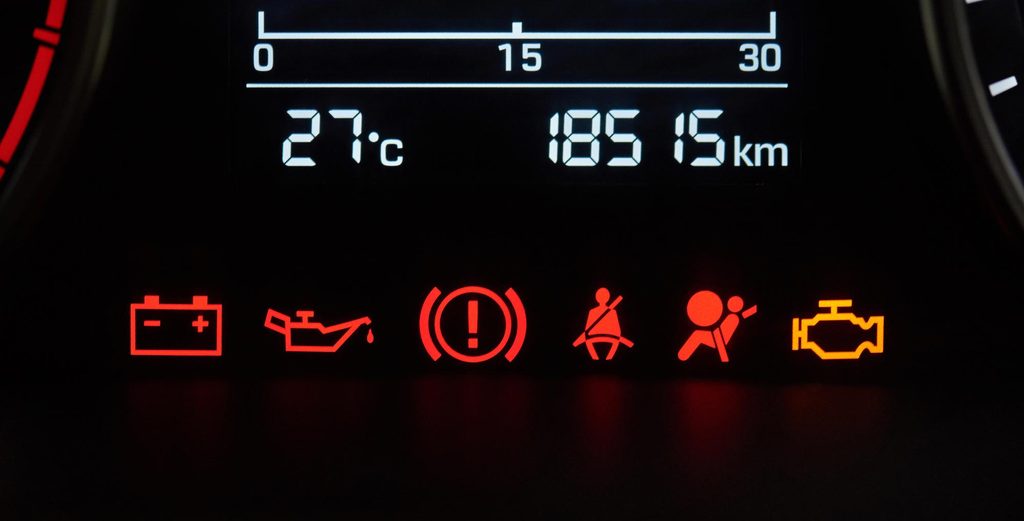
Dashboard Warning Lights: What Is Your Car Telling You?
Your dashboard is your vehicle's communication center. Understanding its warning lights can help you respond before a problem gets worse.
Red Warning Lights: Take Immediate Action
Red warning lights often indicate urgent conditions.
Examples include:
- Oil pressure light: The engine may not be receiving adequate oil pressure. Stop safely and shut off the engine as directed by your owner's manual.
- Engine temperature warning: Your engine may be overheating. Pull over safely and follow the manufacturer's instructions. Never open a hot cooling system.
- Brake system warning: This may indicate an engaged parking brake, low brake fluid, or a problem with the braking system. If the warning remains on after releasing the parking brake, follow the manual's instructions and avoid driving if braking performance is affected.
Warning colors and meanings vary by manufacturer, so don't rely on color alone.
Yellow or Amber Lights: Investigate Promptly
Common examples include:
- Check engine light: A steady light means the vehicle needs diagnosis. A flashing light can indicate a more serious problem requiring immediate attention.
- Tire pressure warning (TPMS): One or more tires may be underinflated. Check pressure using a gauge.
- ABS warning: The anti-lock braking system may have a fault. Normal braking may remain available, but the anti-lock function may not.
- Battery or charging-system warning: This can indicate a charging problem, not necessarily a dead battery. If it appears while driving, follow your manual and seek assistance promptly.
Before your next trip, take five minutes to learn your dashboard layout. Locate the fuel gauge, temperature information, and important warning symbols.
Remember: A warning light isn't something to ignore until your next oil change. Call your service center or repair shop promptly.
Cold-Weather Car Maintenance: Be Ready for Cold Mornings
Cold weather can expose battery problems, reduce tire pressure, and make visibility more difficult.
Three areas deserve extra attention.
Check Your Battery
Low temperatures can make it harder for a weak battery to start an engine.
If your car cranks slowly, struggles to start, or repeatedly needs a jump-start, arrange a battery and charging-system inspection.
Basic battery maintenance starts with looking for visible corrosion around battery terminals, but avoid touching or cleaning electrical connections unless you know the correct procedure.
Inspect Your Wipers and Washer Fluid
Use windshield washer fluid rated for the temperatures you expect. Ordinary washer fluid may freeze in severe cold.
Check that your wiper blades aren't cracked or stuck to the windshield. Remove ice and snow before using them, and never pour hot water onto frozen glass.
Recheck Tire Pressure
Tire pressure generally decreases as temperatures fall. Check it with a gauge when the tires are cold, and inflate to the vehicle manufacturer's recommended pressure.
These simple checks can help you avoid frustrating surprises before school, work, or a road trip.
How to Jump-Start a Car Safely
A dead battery can happen to almost anyone. Knowing the basics is useful, but jump-starting must follow your vehicle's specific instructions.
Before attempting it, read both vehicles' owner's manuals. Confirm that the systems are compatible and identify the designated jump-start connection points.
Never attempt a jump-start if a battery appears frozen, cracked, leaking, or swollen. Hybrid and electric vehicles may have special restrictions or procedures.
For conventional, compatible 12-volt vehicles using jumper cables, the general connection sequence is:
- Turn off both vehicles and electrical accessories.
- Connect the red clamp to the positive (+) terminal or designated positive jump point of the disabled vehicle.
- Connect the other red clamp to the assisting vehicle's positive (+) terminal or designated point.
- Connect the black clamp to the assisting vehicle's negative (−) terminal or designated point.
- Connect the final black clamp to the disabled vehicle's manufacturer-designated grounding point, away from the battery.
- Follow the owner's manual's starting procedure, then disconnect the cables in reverse order.
Keep cable clamps from touching each other or moving engine parts. Never connect a final negative clamp directly to the discharged battery unless the manufacturer specifically instructs you to do so.
If you're unsure, call roadside assistance. A jump-start is not worth risking injury or vehicle damage.
What Every New Driver Should Keep in Their Car
A little preparation can make an unexpected stop much easier to manage.
Consider keeping these essentials in your vehicle:
- Owner's manual: For warning lights, controls, and emergency instructions.
- Tire pressure gauge: For quick, accurate tire checks.
- Flashlight: For visibility after dark.
- First-aid kit: For minor injuries.
- Phone charger: To help you stay connected.
- Emergency contact information: Including roadside assistance details.
- Reflective warning triangles: For visibility when their use is safe and permitted.
- Jumper cables or a compatible portable jump starter: If appropriate for your vehicle and you know how to use them.
- Seasonal supplies: Such as water, warm clothing, or other climate-appropriate items.
Know whether your vehicle has a spare tire, jack, and tire-changing tools. Most newer models have a tire repair kit instead.
Never attempt a tire change beside moving traffic or in another unsafe location. Move to a safe place and request assistance.
Build a Car Maintenance Schedule You'll Actually Follow
The easiest way to remember regular or upcoming maintenance is to make it a habit to keep simple logs or reminders for oil changes and other services.
- Set a recurring schedule with reminders for monthly tire, fluid, light, and wiper checks on your phone or calendar.
- Track scheduled upcoming maintenance or services by both mileage and time, following your owner's manual. Oil changes, tire rotations, brake inspections, and other services may have different intervals depending on your vehicle and driving conditions.
- Keep receipts or digital service records so you know what was done and when.
And remember: A monthly check doesn't replace professional maintenance. It's a way to stay informed between service appointments.
Frequently Asked Questions About Basic Car Maintenance for New Drivers
How often should a new driver check their car?
Check tire pressure, tread condition, accessible fluid levels, lights, and wipers at least once a month. Make additional checks before long trips or when weather conditions change. Follow the manufacturer's schedule for professional service.
How do I know the correct tire pressure for my car?
Look for the tire information sticker inside the driver's door jamb or consult your owner's manual. The correct pressure may differ between front and rear tires. Check pressure when the tires are cold.
What does a red dashboard warning light mean?
A red warning light often signals an urgent condition, such as low oil pressure, overheating, or a braking-system issue. Safely stop when necessary, consult the owner's manual, and seek professional assistance. Exact meanings vary by vehicle.
Can I check my car's fluids myself?
Yes, many vehicles allow basic visual checks of oil, coolant, brake fluid, and windshield washer fluid. However, some systems require special procedures. Always follow the owner's manual, avoid opening hot pressurized components, and ask a qualified technician or repair shop for help when needed.
What should I do if my car battery dies?
First, keep calm and make sure your vehicle is in a safe location. Check the owner's manual to determine whether jump-starting is permitted. If you have compatible equipment and know the correct procedure, you may be able to jump-start it. Otherwise, contact roadside assistance. Have the battery and charging system inspected if the problem repeats.
Learning to Drive Means Learning to Care for Your Car
Becoming a confident driver isn't just about knowing traffic laws or passing your road test. It's about developing habits that help you make informed decisions every time you get behind the wheel.
Checking tire pressure, recognizing dashboard warnings, and keeping a maintenance schedule might seem like small responsibilities. Together, they help you become a more prepared, independent driver.
At Jungle Driving School, we're focused on preparing teens for real-world driving, not just the test.
Ready to build skills that go beyond the driver's license? Explore Jungle Driving School's teen driver education programs and discover an approach to learning that puts preparation, confidence, and responsible driving first.
Jungle Driving School — Saving Lives, One Teen at a Time.